 Synapse Group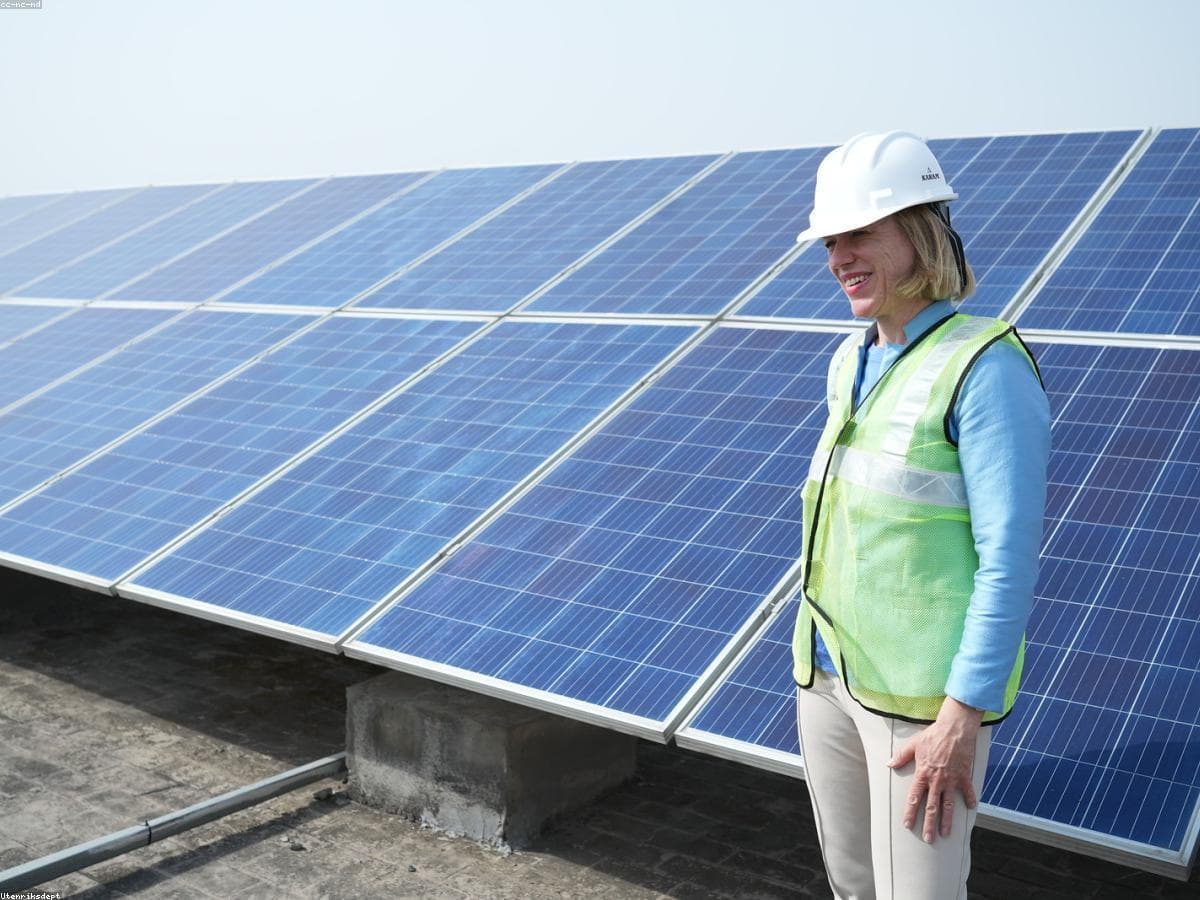
Telemetry and remote operations
Seeing and operating what sits far away.
Distributed assets with continuous measurement, connectivity where there is no coverage and power where the grid does not reach. With remote control where you have to act and not just watch.
Get in touchWhen it shows up
If this is happening, this is the problem.
The state of the installation is known when somebody drives out there.
There are points with no grid power and no cellular coverage, so they were left out of monitoring altogether.
When the link drops, that period becomes a hole in the history.
Operating something remote means calling somebody who happens to be nearby.
How we approach it
What gets installed and how detection works.
- 01
Measurement at the point
Level, flow, pressure, consumption, equipment status and whichever process variables apply, with an RTU or PLC where control is also needed.
- 02
Power and link
Panels and storage where the grid does not reach, and a dedicated link or LoRa towards a point with connectivity where there is no coverage. It is the link that is usually missing from quotes, and without it there is no telemetry to be had.
- 03
Data continuity
Local storage in the field device and synchronisation when the link returns, so a communications outage does not turn into a hole in the history.
- 04
Operating at a distance
Remote control with authenticated access, segmentation between process and corporate networks, and named accounts. Improvised remote operation is the most common way in.
Where it applies
The industries where this problem weighs most.
The same work changes scale and standard by front, not nature. These are the pages with the context for each one.
What it is measured against
The indicators are set before anything is installed.
A pilot without a baseline is no basis for a scale-up decision. These are the indicators the work is designed against, measured before starting so there is something to compare with.
- Link availability
- Percentage of time with data actually received, which is different from time with the equipment powered.
- History completeness
- Expected records against stored records, which is what tells you whether local storage is doing its job.
- Field visits avoided
- Rounds that stop being necessary because the state is known remotely.
- Response time to an event
- How long passes between the point reporting a condition and somebody acting on it.
Frequently asked
What we get asked before the first meeting.
How do you monitor an installation without cellular coverage?
With a dedicated link towards a point that does have connectivity, and local storage in the field device. The record is kept at the point and synchronised when the link returns. Where there is no grid power either, the point runs on a panel and storage sized for the days without sun.
What is the difference between telemetry and remote operations?
Telemetry brings the data back; remote operations sends the action out. The second requires control at the point, a link with sufficient availability, and a security and interlock scheme that prevents a remote command from doing something that would not be allowed in the field.
Can remote access be given securely?
Yes, and it is better solved by design. Access through an authenticated jump host with a second factor, segmentation between process and corporate networks, named accounts per person and verified program backups. Doing it that way is cheaper than fixing it after an incident.
How many points justify a platform?
It depends less on the count than on distance and the cost of the round. Two stations two hundred kilometres apart can justify more than twenty inside a single plant. The calculation that matters is what it costs today to find out, not how many points there are.
Contact
Let's talk.
If you have an operational challenge, an innovation project in mind or a question about applying technology to your industry, get in touch.
proyectos@synapsegroup.techWe reply within 48 business hours.