 Synapse Group
Well telemetry
Flow, static and dynamic level, pressure, pump status, energy and operating hours, with continuous transmission and stored history.
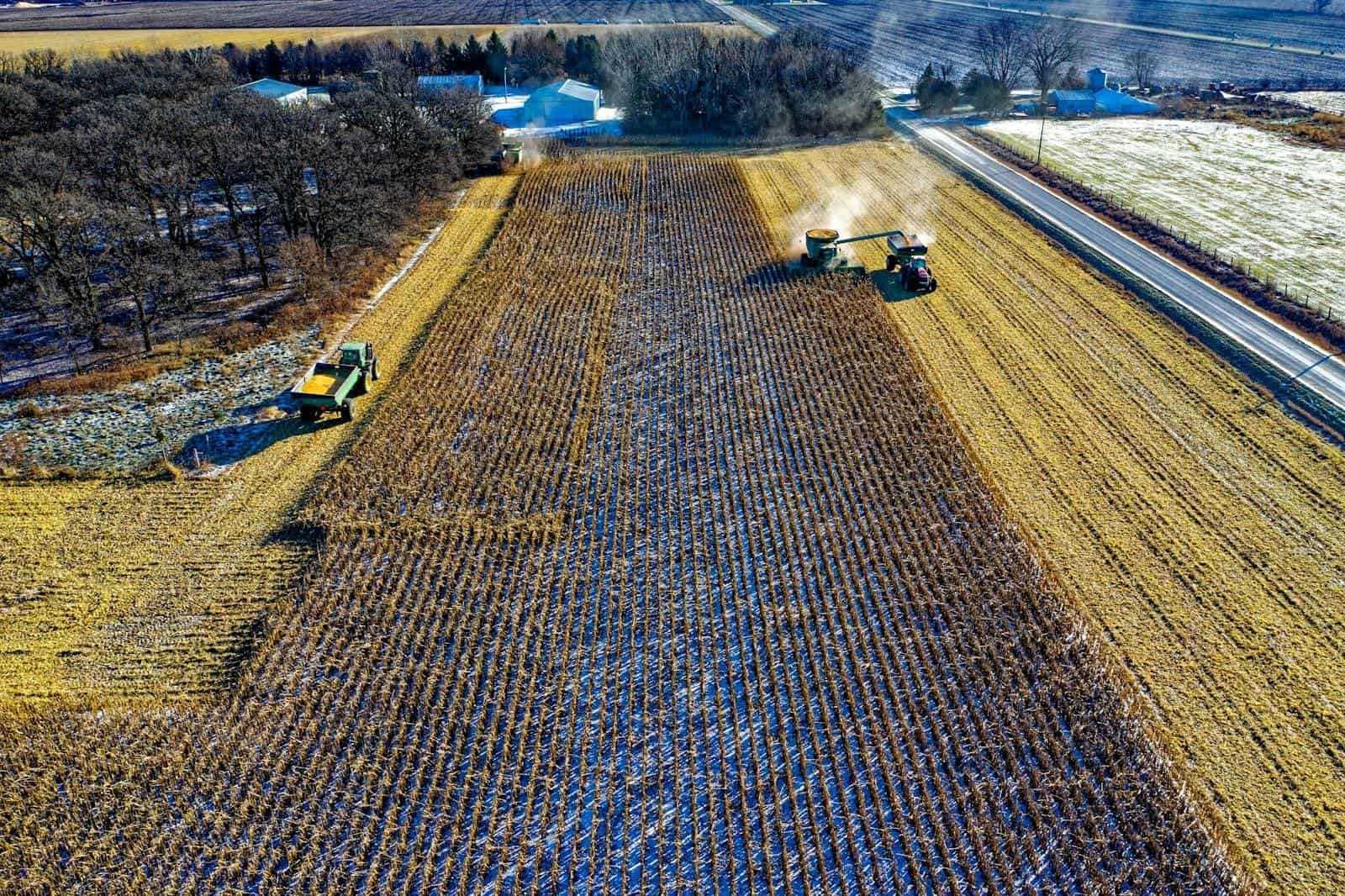
Agribusiness, aquaculture and food
Well telemetry, pumping automation, sector irrigation control and pumping energy optimization. Backed by AgroSynapse, the ecosystem's vertical platform for the sector.
Sector challenges
Water stress and the requirement to measure extractions turned telemetry into an operating requirement, not an optional improvement. What is not measured now also has to be reported.
CLP 4,200 million
Amount allocated in the 08-2026 national competition for monitoring of surface and groundwater extractions: sensors, flow meters and telemetry.
On an irrigation-intensive estate, pumps are one of the largest operating costs. How much energy each cubic metre costs is rarely known, and without that number no efficiency discussion is possible.
Irrigation, nutrition and management decisions based on judgement and calendar. Variability between blocks is hard to observe in time and gets corrected once the damage is done.
The data exists, scattered across spreadsheets, vendor consoles and notebooks. Nobody has the full picture at the moment the call has to be made on whether the pump starts.
CLP 1,200 million
National innovation competition 12-2026, which enabled initiatives such as AgriPV, floating photovoltaics over reservoirs, subsurface irrigation, agricultural desalination and AI applied to irrigation scheduling.
What is being quoted
This is not a list of what we can do: it is what is being tendered and quoted in this industry right now. If your problem is on it, the conversation starts with context.
Flow, static and dynamic level, pressure, pump status, energy and operating hours, with continuous transmission and stored history.
PLC or RTU, variable frequency drive or soft starter, level, pressure and flow sensors, cellular or LoRa communication and remote control of the station.
Pump sequencing, using the reservoir as hydraulic storage, shifting consumption off peak, pressure-based control and kWh/m³ tracking.
Valves, sectors, soil moisture sensors, evapotranspiration and weather, with pressure control and dynamic scheduling instead of a fixed calendar.
Level, volume, inflow and outflow water balance, critical-level alerts and cameras where seeing matters as much as measuring.
pH, electrical conductivity, dosing, per-sector recipes and a traceable record of what was applied.
Particularly where consumption is daytime and surface is available, including installation over reservoirs.
Weather, ET0, soil moisture, phenology, water availability and electrical constraints to decide when to irrigate, how much, which sector and with which pump.
How we work here
Ultrasonic level sensing in tanks and reservoirs, flow metering at the well, pressure at the head, and PLC control over pumping and sector valves.
Distributed 4G between pumping points, or LoRa where sectors are scattered and cellular coverage is intermittent.
A dashboard of tanks, wells and pumping with history, water balance and energy per cubic metre, integrable with what the estate already uses.
Alerts on level, pressure or anomalous consumption, and control that starts or stops pumping before emptying the reservoir or irrigating in the expensive hours.
We start with a bounded pilot, build alongside your operations team and measure what matters. If we propose something, we can also implement it.
What it is measured against
A pilot without a baseline is no basis for a scale-up decision. These are the indicators the work is designed against, measured before starting so there is something to compare with.
Solutions
Condition monitoring on pumps, motors and critical equipment, with the alert wired into maintenance.
View industryLeak, transient and degradation detection on pipelines, pumping lines and stations.
View industryMigrating obsolete control with the shutdown window bounded and the documentation current.
View industryMeasurement, connectivity and control of distributed assets, even without grid or coverage.
View industryFrom threshold alarm to event with context, criticality, probable cause and action.
View industryMeasuring energy per cubic metre and reordering pumping before buying equipment.
View industryFrequently asked
The CNR explicitly funds telemetry, motorisation, automation, flow metering and well sensors, and its innovation competitions have included photovoltaics, subsurface irrigation and AI applied to irrigation. We design the technical project so it fits those terms; the application and its outcome depend on the competition and the estate, not on us.
With a flow meter on the delivery line plus static and dynamic level in the well, and pump status and consumption. That combination is what lets you evidence extraction and, at the same time, see whether the pump is running off its curve.
It depends on the pump curve, the contracted tariff and the hourly profile, which is why we do not give a percentage before measuring. The work starts by establishing the real kWh/m³ and the consumption by time band: only with that baseline can you say what is sequencing, what is a drive and what is tariff.
Yes. The norm is to keep pumps, valves and head, and add control, measurement and communication. Equipment is replaced when measurement shows it does not cope, not before.
Yes. In sectors without coverage we use a dedicated link or LoRa towards a point with connectivity, and autonomous power where the grid does not reach. It is the same problem we solve on sites with limited access.
Contact
If you have an operational challenge, an innovation project in mind or a question about applying technology to your industry, get in touch.
proyectos@synapsegroup.techWe reply within 48 business hours.
Not ready to talk yet? Take the capabilities brochure: the six fronts we work across, what we build with, and how a project is contracted.