
Predictive maintenance in the plant
Vibration, temperature and current on pumps, refrigeration compressors, motors, heat exchangers and conveyors, on new and existing equipment.
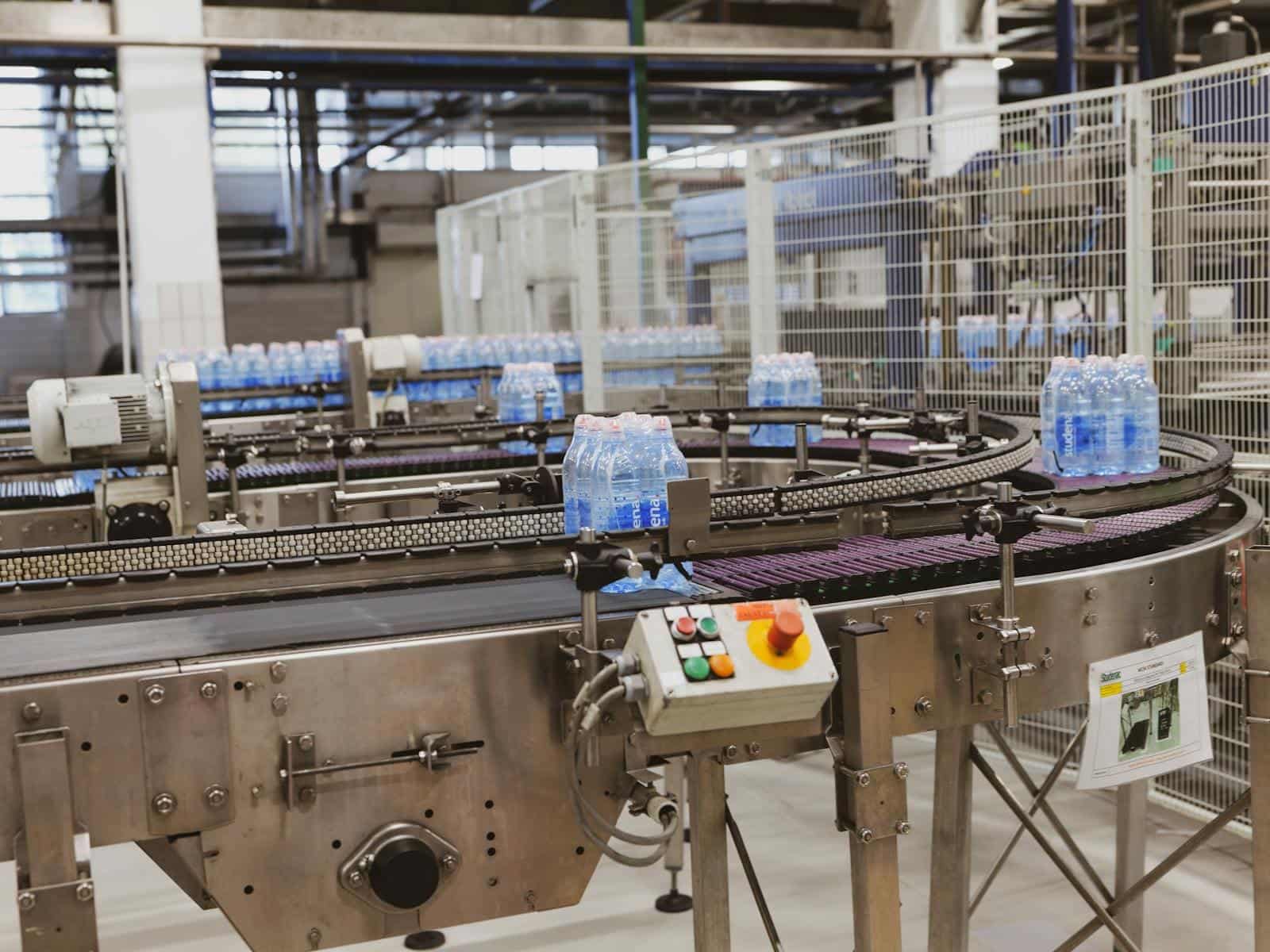
Food processing and the cold chain
Predictive maintenance in processing plants, packaging line monitoring, a measured cold chain and traceability for quality and food safety. On top of the machinery and systems the plant already has, without replacing them.
Sector challenges
In a food plant, a stoppage does more than halt production: it leaves work in progress that can fall out of specification. Pumps, compressors, packaging machines and conveyors degrade before they fail.
Cold rooms, tunnels, loading docks and transport have stretches with no continuous record. A temperature excursion is discovered in the complaint, not when it happens.
Process, cleaning and temperature records filled in at the end of the shift. Useful for auditing, not for correcting while the lot is still on the line.
Raw material, processing, packaging and dispatch live in different systems. When a lot has to be isolated, the answer depends on how long someone takes to gather the records.
What is being quoted
This is not a list of what we can do: it is what is being tendered and quoted in this industry right now. If your problem is on it, the conversation starts with context.
Vibration, temperature and current on pumps, refrigeration compressors, motors, heat exchangers and conveyors, on new and existing equipment.
OEE, stoppages by cause, speed and losses in filling, sealing, labelling and palletising, computed from the machines' signals.
Temperature and humidity in cold rooms, tunnels, loading docks and transport, with a continuous record and an alert before the product goes out of range.
Process control variables measured and recorded in line, with an alert when one leaves its limit and the evidence ready for the audit.
Weighing, sizing and counting on the line, with data per lot and per shift instead of at the end of the day.
Raw material, processing, packaging and dispatch linked to the same lot, so it can be isolated quickly when needed.
Plant data reaches the ERP the company already uses — SAP or another — without changing it. We do not replace systems: we connect them.
How we work here
Sensors on rotating and refrigeration equipment, signals from the packaging machines and temperature probes in cold rooms and transport. New and existing machinery, without replacing it.
A plant network segmented from the corporate one, and a cellular link with local storage in refrigerated transport.
History by machine, by line and by lot, integrated with the ERP and the quality systems the plant already uses.
Warning of degradation before the stoppage, an alert on temperature out of range and the full lot identified when it has to be isolated.
We start with a bounded pilot, build alongside your operations team and measure what matters. If we propose something, we can also implement it.
What it is measured against
A pilot without a baseline is no basis for a scale-up decision. These are the indicators the work is designed against, measured before starting so there is something to compare with.
Solutions
Condition monitoring on pumps, motors and critical equipment, with the alert wired into maintenance.
View industryMigrating obsolete control with the shutdown window bounded and the documentation current.
View industryFrom threshold alarm to event with context, criticality, probable cause and action.
View industryFrequently asked
Yes. We read what each machine already provides and, where it provides nothing, measure from the outside. New and existing machines sit on the same dashboard without replacing them or touching the manufacturer's warranty.
With loggers in transport that store the temperature throughout the journey and sync it when a link is available. A stretch without coverage does not leave a gap in the record.
No. Do not change your ERP, your CRM or your platforms: we connect them. The measured record feeds the systems the plant already uses for quality, production and dispatch.
A continuous, time-stamped record of control variables is better evidence than a spreadsheet filled in at the end of the shift. What each audit requires depends on the standard and the customer; the record is designed to answer what the plant has to evidence.
With the line or cold room where a failure costs the most. The baseline is measured, the success criterion is agreed and scale-up happens on that evidence.
Contact
If you have an operational challenge, an innovation project in mind or a question about applying technology to your industry, get in touch.
proyectos@synapsegroup.techWe reply within 48 business hours.
Not ready to talk yet? Take the capabilities brochure: the six fronts we work across, what we build with, and how a project is contracted.